Stone Masonry vs. Brick Masonry: Key Differences
People exploring stone masonry vs. brick masonry can find local service providers who specialize in designing, building, and repairing durable stone structures tailored to their needs.
If you’re exploring options for masonry work on your property, understanding the differences between stone masonry and brick masonry is essential. Property owners in the area often consider these materials for features like fireplaces, retaining walls, or facades, and knowing their practical distinctions can help inform better decisions. Whether aiming for a timeless, natural look or a more uniform, traditional appearance, the choice between stone and brick can significantly impact the durability, style, and overall feel of your project. Local contractors skilled in stone masonry can provide insights into how these materials perform in your specific environment, ensuring your investment stands the test of time.
Continuing to explore the key differences between stone masonry and brick masonry can reveal which material best aligns with your aesthetic preferences and functional needs. While stone masonry often offers a rugged, natural appeal and exceptional strength, brick masonry tends to provide a more consistent, polished look with easier installation. Many property owners find that working with experienced stone masons can help maximize the unique qualities of natural stone, whether for aesthetic accents or structural elements. As you read further, you'll discover practical considerations and how local service providers can assist in bringing your vision to life with expert craftsmanship.
- Stone Masonry - Ideal for projects requiring durable, natural stone features such as facades and retaining walls, with local contractors specializing in traditional craftsmanship.
- Stone Masonry - Suitable for restoring historic structures or creating customized stone elements, where experienced service providers focus on authentic finishes.
- Stone Masonry - Used when long-lasting, low-maintenance surfaces are desired, with local pros emphasizing stone selection and precise installation techniques.
- Stone Masonry - Recommended for outdoor features like patios and garden walls, where local contractors prioritize weather-resistant stonework.
- Stone Masonry - Often chosen for statement pieces or architectural accents, with service providers skilled in working with various types of natural stone.
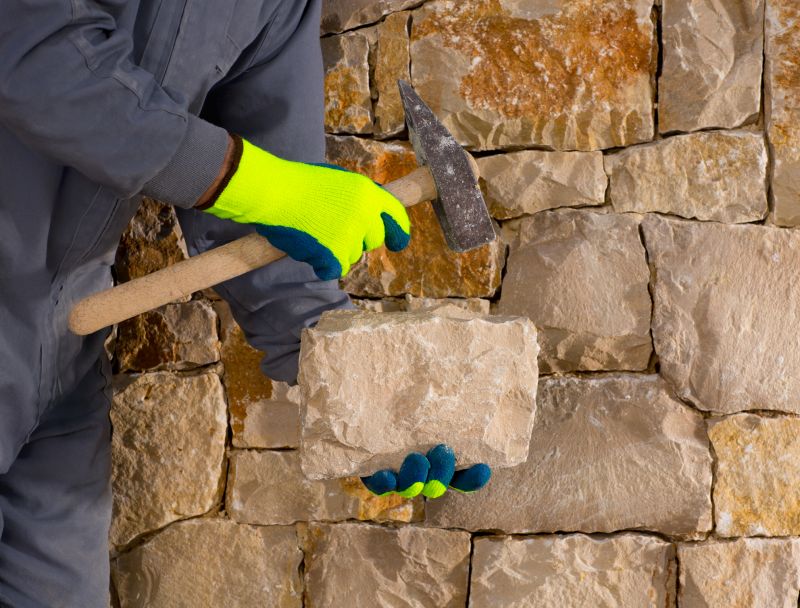
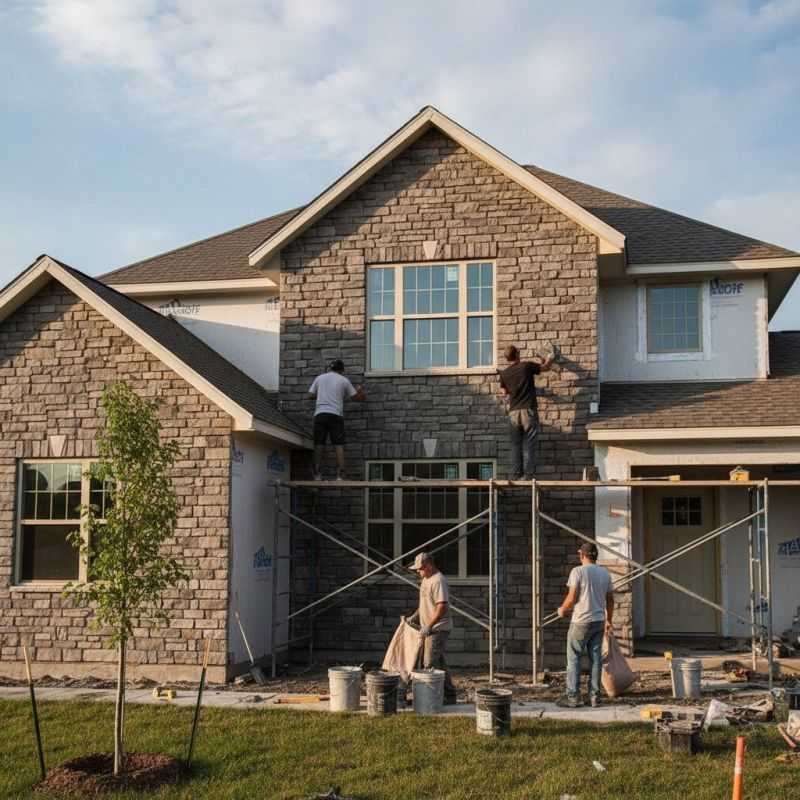
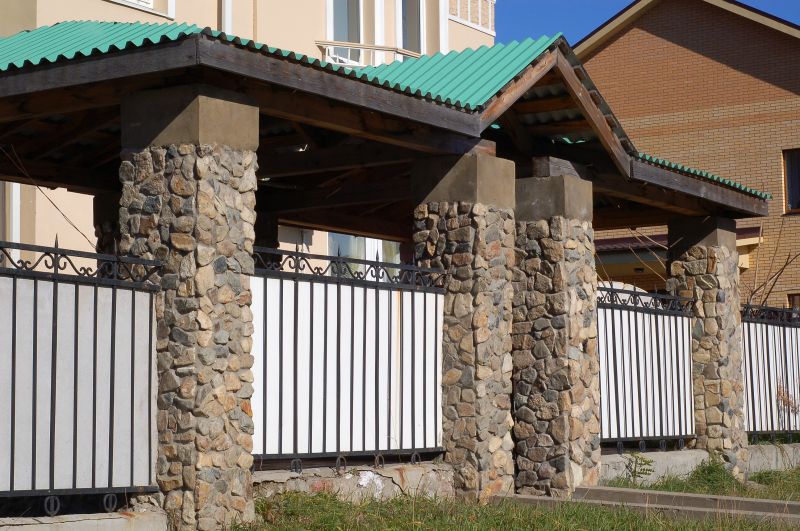
When homeowners search for information on stone masonry vs. brick masonry, they are often trying to understand the fundamental differences between these two traditional building methods. This comparison typically arises during planning for projects such as constructing or restoring exterior walls, fireplaces, retaining walls, or outdoor features like patios and garden walls. People want to know which material will best suit their property's style, durability needs, and maintenance expectations. Understanding these distinctions helps homeowners make informed decisions about the type of masonry that aligns with their project goals and aesthetic preferences, especially when considering the expertise of local contractors who specialize in stone or brick work.
These topics are closely linked to common property improvement plans and problem-solving efforts. For example, a homeowner might be exploring options for a long-lasting, low-maintenance exterior wall or seeking a visually distinctive feature that enhances curb appeal. Some projects involve repairing or replacing existing masonry that has suffered weather damage or structural issues. In these situations, knowing the differences between stone and brick masonry can influence material choices and the type of craftsmanship needed. Local service providers who specialize in stone or brick masonry can assess the property's specific conditions and recommend the most suitable approach, ensuring the project’s durability and aesthetic appeal are properly addressed.
Properties that usually come up in discussions about stone masonry vs. brick masonry include residential homes, historic buildings, commercial properties, and outdoor spaces. Residential properties often feature brick facades or stone accents, while historic structures may require specialized restoration using original materials. Commercial properties might incorporate both materials for aesthetic or structural reasons, such as stone retaining walls or brick storefronts. Outdoor features like garden walls, fire pits, or patios frequently utilize either stone or brick depending on the desired look and functional needs. Local contractors experienced in both types of masonry can help property owners choose the right material and execute the work with the appropriate techniques, ensuring the finished project meets both style and performance expectations.
Ultimately, understanding the key differences between stone masonry and brick masonry helps homeowners connect with the right local service providers for their specific needs. Stone masonry is often valued for its natural appearance, strength, and longevity, making it suitable for structural elements and decorative features that require durability. Brick masonry, on the other hand, offers a more uniform appearance, easier installation, and a wide range of color options, which can be ideal for aesthetic accents and traditional designs. When planning a masonry project, property owners should consider the intended use, appearance, and maintenance needs, then seek out local pros who specialize in the chosen material. This ensures the work aligns with their vision and that the finished project will stand the test of time.
Fireplace and Chimney Installations - skilled masonry contractors can help with both stone and brick fireplaces, requiring precise planning and craftsmanship similar to masonry wall projects.
Retaining Wall Construction - building durable retaining walls involves understanding structural stability and material selection, aligning with skills used in stone and brick masonry work.
Facade and Exterior Wall Cladding - applying stone or brick veneer to building exteriors demands careful planning and detailed work, often performed by local masonry specialists.
Pillars and Columns - constructing decorative or load-bearing pillars involves similar techniques and material handling as those used in stone and brick masonry projects.
Garden Walls and Edging - designing and building landscape walls requires knowledge of mortar application and material placement, paralleling skills in masonry construction.
Restoration and Preservation Projects - repairing historic stone or brick structures involves specialized techniques, often handled by experienced masonry service providers.
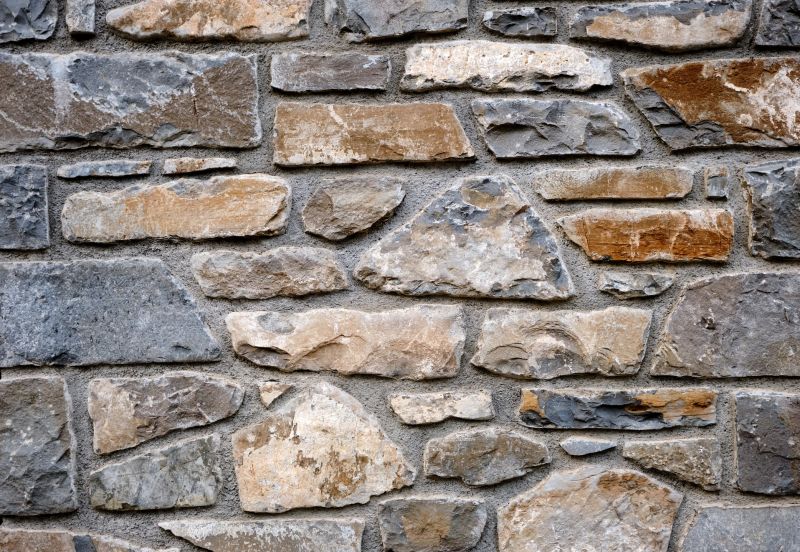
When evaluating service providers for stone masonry versus brick masonry, it is important to consider their experience with similar projects. Homeowners should inquire about the types of stone or brickwork they have completed in the past, paying attention to projects that resemble their own in size and scope. A contractor’s familiarity with the specific materials involved can influence the quality and durability of the finished work. Reputable local contractors will typically be able to provide examples of past projects or references that demonstrate their experience with both stone and brick masonry, helping homeowners gauge whether they have the necessary skills for the unique demands of stonework, which often requires specialized techniques and knowledge.
Clear written expectations are essential when comparing local pros for masonry services. Homeowners should seek detailed proposals that outline the scope of work, material specifications, and the timeline for project completion. This clarity helps prevent misunderstandings and ensures that both parties are aligned on the project’s goals. When considering stone masonry services specifically, it’s helpful to confirm that the contractor understands the nuances of working with natural stone, including handling, placement, and finishing techniques. Good communication from the outset can lead to a smoother process and a finished product that meets expectations.
Reputable references and effective communication are key indicators of a reliable masonry contractor. Homeowners are encouraged to ask for references from previous clients who had similar projects completed, especially those involving stone masonry if that is the focus. Speaking with past clients can reveal insights into the contractor’s workmanship, professionalism, and ability to meet deadlines. Additionally, good communication throughout the project ensures that any questions or concerns are addressed promptly, which is particularly important when working with more complex materials like stone that may require specialized handling. Choosing a contractor who maintains open, transparent dialogue can help ensure the project proceeds smoothly and results in a durable, high-quality finished product.
Property owners often search for stone masonry vs. brick masonry: key differences when they are planning practical projects around their homes and businesses. Local pros provide Stone Masonry services for everyday jobs and straightforward project options.
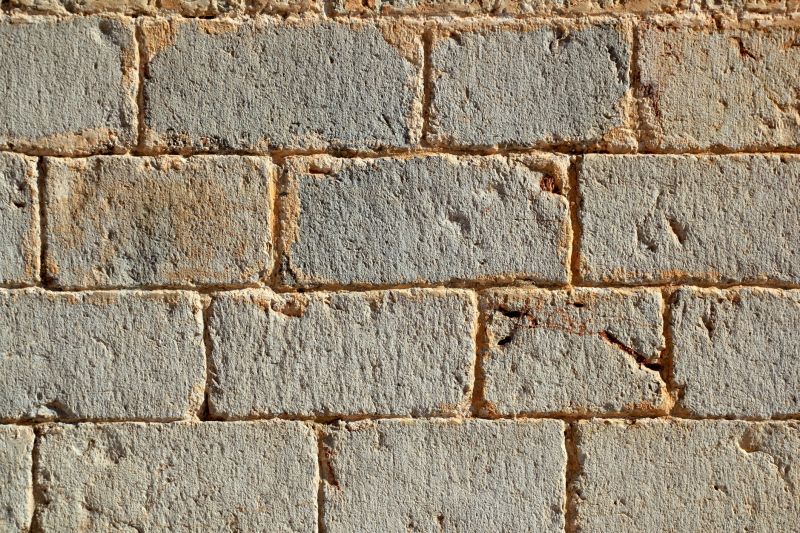
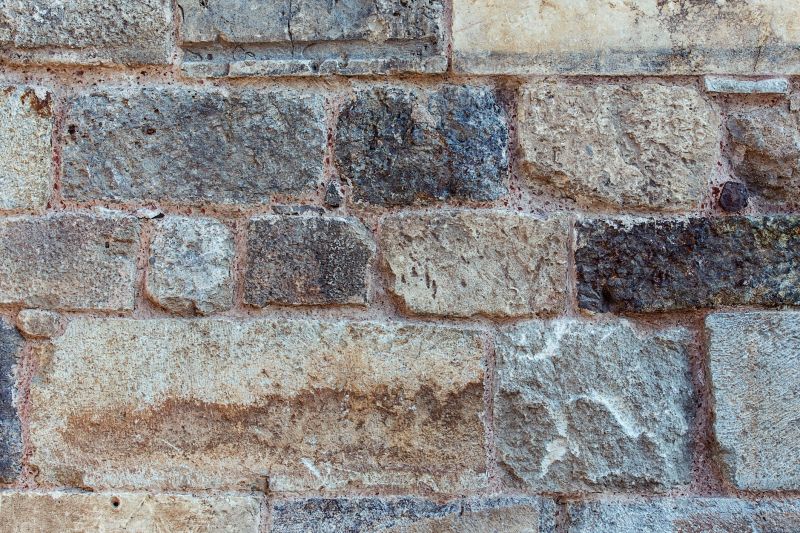
Understanding the differences between stone masonry and brick masonry can help property owners make informed decisions for their projects. Stone masonry often appeals to those seeking a natural, durable look, ideal for features like retaining walls, facades, or landscaping elements that require strength and an organic appearance. Brick masonry, on the other hand, is commonly chosen for its uniformity, versatility, and ease of installation, making it suitable for building walls, fireplaces, or decorative accents. When considering these options, property owners might look up this topic to determine which material best aligns with their aesthetic preferences, durability needs, and project scope, and to find local contractors experienced in delivering quality stone or brick masonry work.
Local service providers can offer guidance on which type of masonry suits specific project requirements and help navigate the differences in installation techniques and material characteristics. Whether a property owner prefers the timeless appeal of stone or the classic versatility of brick, local pros can assist in planning and executing the work efficiently. By exploring this topic, property owners can connect with experienced contractors who specialize in stone masonry services, ensuring the finished project meets their expectations for durability and style.
What are the main differences between stone masonry and brick masonry? Stone masonry typically involves using natural stones for construction, offering durability and a unique appearance, while brick masonry uses manufactured bricks that are uniform and easier to work with. Local contractors can help determine which material suits specific project needs.
How does the appearance of stone masonry compare to brick masonry? Stone masonry provides a natural, textured look with variations in color and shape, whereas brick masonry offers a more uniform, structured appearance. Service providers can advise on the aesthetic options available for each material.
Are there differences in durability between stone and brick masonry? Generally, stone masonry is more resistant to weathering and can last longer with minimal maintenance, while brick masonry is also durable but may require more upkeep over time. Local pros can assess which material best fits the environmental conditions.
Can stone masonry be used for both interior and exterior applications? Yes, stone masonry is versatile and suitable for both interior and exterior projects, especially where a natural or rustic look is desired. Local contractors can help plan and execute projects involving stone masonry.
What factors should be considered when choosing between stone and brick masonry? Important considerations include aesthetic preferences, durability needs, environmental conditions, and the specific application. Consulting with local service providers can help make an informed decision based on these factors.
Understanding material durability - property owners can choose stone or brick masonry based on the durability needed for features like retaining walls or outdoor fireplaces, with local contractors providing guidance on material selection.
Matching aesthetic styles - selecting between stone and brick can influence the overall look of a property, and local pros can help achieve the desired design for facades or landscaping features.
Considering installation techniques - knowing the differences in installation methods can help property owners plan for projects like patios or boundary walls, with local contractors ensuring proper craftsmanship.
Evaluating maintenance needs - understanding how each material ages and requires upkeep allows property owners to plan long-term for features like garden walls or entryways, with local pros offering appropriate solutions.
If you are thinking about stone masonry vs. brick masonry: key differences for a property, this guide is meant to help you understand this topic, the typical project types, and how different options might fit your plans.
When you are ready, you can use the quote form on this page to share a few details about your project. From there, local pros can review the basics and follow up with options that match what you have in mind.